
The coaching industry has grown rapidly over the past decade, with professionals across industries recognizing the value of coaching in leadership, career growth, business transformation, and personal development. As the demand for professional coaches increases, certifications have become essential for establishing credibility, expertise, and trust.
Among the most respected credentials in the coaching industry are the certifications offered by the International Coaching Federation (ICF). These certifications help coaches demonstrate professional competency and ethical coaching practices.
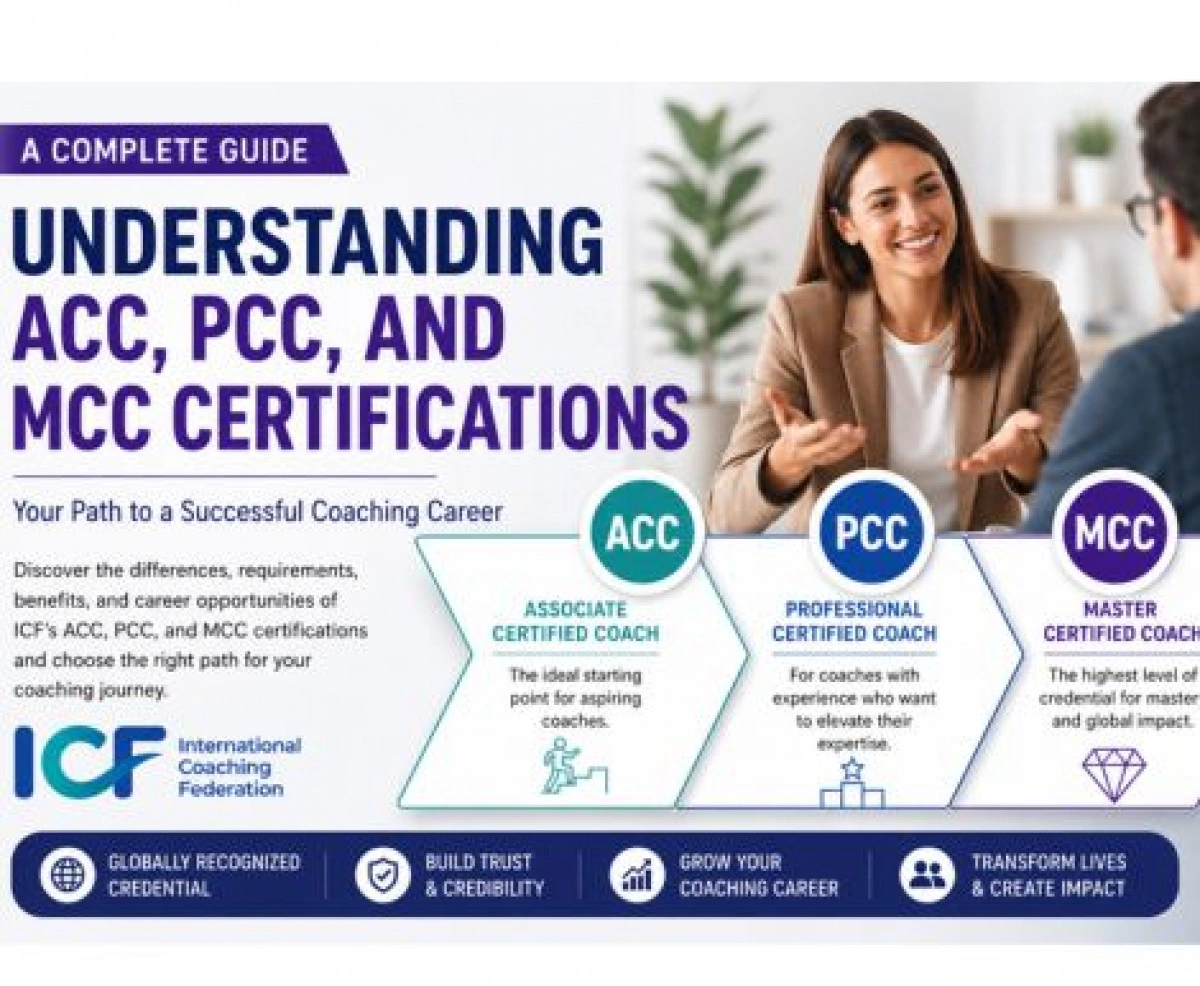
For aspiring and experienced coaches alike, understanding the differences between ACC, PCC, and MCC certifications is an important step in choosing the right career path. Through quality icf coach training, professionals can gain the skills, practical experience, and global recognition needed to build successful coaching careers.
In this blog, we will explore the meaning of ACC, PCC, and MCC certifications, their requirements, benefits, and how to select the best ICF-accredited coaching program.
About Dr. Paras
Dr. Paras is a highly respected leadership coach, trainer, and mentor known for empowering individuals and organizations through transformational coaching methodologies. With years of experience in leadership development, executive coaching, NLP training, and personal transformation, Dr. Paras has helped aspiring coaches and professionals unlock their full potential.
Through Matrrix Institute of Coaching & NLP, Dr. Paras focuses on delivering practical, globally aligned, and impactful coaching education programs designed to help learners succeed in the evolving coaching industry.
His coaching philosophy emphasizes self-awareness, emotional intelligence, leadership excellence, and meaningful personal growth. Aspiring coaches seeking affordable icf coaching certification opportunities often look for mentorship programs and training environments that combine theoretical knowledge with real-world application, which makes experienced mentors like Dr. Paras highly valuable in the coaching journey.
What Is ICF Coach Training?
ICF coach training refers to professional coaching education programs aligned with the standards established by the International Coaching Federation.
These training programs focus on developing essential coaching competencies such as:
- Active listening
- Powerful questioning
- Goal setting
- Emotional intelligence
- Ethical coaching practices
- Communication skills
- Client transformation techniques
Completing icf accredited coaching programs allows aspiring coaches to qualify for internationally recognized coaching credentials.
Why ICF Certification Matters
ICF certifications are considered among the highest standards in the coaching profession. Employers, businesses, and clients worldwide recognize ICF-certified coaches as trained professionals with proven coaching competencies.
Global Recognition
ICF credentials are recognized internationally, making it easier for coaches to work with clients globally.
Professional Credibility
Certification demonstrates commitment to ethical standards and professional development.
Better Career Opportunities
Many organizations prefer hiring coaches who have completed icf certified coaching programs because of the trust associated with ICF credentials.
Enhanced Coaching Skills
Structured coaching education improves communication, leadership, and client management capabilities.
Understanding ACC Certification
What Is ACC?
ACC stands for Associate Certified Coach. It is the entry-level credential offered by the ICF and is ideal for aspiring coaches starting their professional coaching journey.
ACC Certification Requirements
To earn ACC certification, candidates generally need:
- Completion of approved coach training hours
- Coaching experience with clients
- Mentor coaching sessions
- Passing the ICF credentialing assessment
Many icf approved coaching programs are specifically designed to help beginners fulfill ACC requirements.
Benefits of ACC Certification
ACC-certified coaches gain:
- Industry recognition
- Foundational coaching credibility
- Improved coaching confidence
- Opportunities to build coaching practice
ACC certification is often the first step toward becoming a professional coach.
Understanding PCC Certification
What Is PCC?
PCC stands for Professional Certified Coach. This is the mid-level certification offered by ICF and is designed for experienced coaches who have developed strong coaching expertise.
PCC Certification Requirements
Compared to ACC, PCC certification requires:
- More coach training hours
- Greater coaching experience
- Advanced coaching competency
- Extensive client coaching sessions
Most professionals pursuing PCC choose advanced icf coaching certification programs that focus on leadership coaching, executive coaching, and transformational coaching methodologies.
Benefits of PCC Certification
PCC-certified coaches often experience:
- Higher professional credibility
- Access to executive coaching opportunities
- Increased earning potential
- Stronger client trust
PCC certification is highly respected in corporate coaching environments.
Understanding MCC Certification
H3: What Is MCC?
MCC stands for Master Certified Coach, the highest credential offered by ICF.
This certification is intended for highly experienced coaches who demonstrate exceptional coaching mastery and advanced client transformation skills.
MCC Certification Requirements
MCC candidates must complete:
- Extensive coaching experience
- Advanced mentor coaching
- High-level coaching competency evaluations
- Significant training hours
This credential requires years of practical coaching expertise and ongoing professional development.
Benefits of MCC Certification
MCC-certified coaches are recognized as elite professionals in the coaching industry. Benefits include:
- Premium coaching opportunities
- International recognition
- Leadership coaching authority
- Strong personal brand value
MCC coaches often mentor other coaches and lead global coaching initiatives.
Difference Between ACC, PCC, and MCC Certifications
Each ICF certification level represents a different stage of coaching expertise, practical experience, and professional growth.
ACC – Associate Certified Coach
ACC is the beginner-level certification designed for aspiring coaches who are starting their professional coaching journey. It focuses on building foundational coaching skills, ethical practices, and client communication techniques. This certification is ideal for individuals entering the coaching profession and looking to establish credibility.
PCC – Professional Certified Coach
PCC is the mid-level credential for coaches with significant coaching experience and advanced coaching competencies. Coaches pursuing PCC certification typically work with professionals, leaders, and organizations to deliver impactful coaching outcomes. This certification demonstrates higher coaching proficiency and stronger client transformation capabilities.
MCC – Master Certified Coach
MCC is the highest certification offered by the ICF and is designed for highly experienced coaches who demonstrate exceptional coaching mastery. MCC-certified professionals are recognized globally for their advanced coaching expertise, leadership capabilities, and ability to create deep transformational impact for clients and organizations.
These certification levels allow coaches to progress professionally while continuously improving their coaching skills, industry credibility, and career opportunities.
Choosing the Right ICF Accredited Coaching Programs
Selecting the right training program is essential for coaching success.
Accreditation Matters
Always choose icf accredited coaching programs approved by the ICF to ensure global recognition and credential eligibility.
Experienced Trainers
Programs led by experienced mentors provide better practical learning and industry exposure.
Flexible Learning Options
Modern learners often prefer online and hybrid learning formats for flexibility.
Practical Coaching Experience
The best icf certification coaching programs include live coaching practice, feedback sessions, and mentor support.
Affordability and Value
Many aspiring coaches look for affordable icf coaching certification options that balance quality education with reasonable pricing.
Importance of Mentor Coaching
Mentor coaching is a critical component of ICF certification.
Personalized Feedback
Mentors provide guidance on coaching techniques and competency improvement.
Skill Enhancement
Regular feedback helps coaches improve active listening, questioning, and client engagement.
Confidence Building
Mentorship prepares candidates for certification assessments and real-world coaching situations.
Career Opportunities After ICF Certification
Completing icf certified coaching programs opens doors to multiple career opportunities.
Executive Coaching
Work with business leaders and senior executives to improve leadership performance.
Leadership Coaching
Help professionals strengthen communication, team management, and decision-making skills.
Life Coaching
Support individuals in achieving personal and professional goals.
Corporate Training
Many certified coaches also work as trainers, facilitators, and organizational consultants.
Independent Coaching Practice
ICF certification helps coaches establish successful private coaching businesses.
Why Coaching Is Growing Globally
The coaching industry is expanding because individuals and organizations increasingly prioritize:
- Leadership development
- Emotional intelligence
- Workplace wellness
- Career advancement
- Personal growth
- Team performance
Professional coaches play a major role in helping people achieve meaningful transformation and success.
How to Start Your Coaching Journey
If you are considering becoming a certified coach, follow these steps:
Identify Your Coaching Niche
Choose areas such as leadership, executive, life, wellness, or business coaching.
Join an ICF-Approved Program
Enroll in reputable icf approved coaching programs aligned with your career goals.
Complete Coaching Practice
Gain practical coaching experience through live client sessions.
Apply for Certification
Meet the training and coaching requirements to earn your ICF credential.
Continue Professional Development
Successful coaches continuously upgrade their skills and knowledge.
Conclusion
Understanding ACC, PCC, and MCC certifications is essential for anyone planning to build a professional coaching career. Each credential represents a different stage of expertise and professional growth within the coaching industry.
Through high-quality icf coach training, aspiring coaches can develop strong coaching competencies, gain international recognition, and create meaningful impact in people’s lives. Whether you are just beginning your journey or aiming for advanced coaching mastery, selecting the right icf accredited coaching programs is the foundation for long-term success.
As the coaching profession continues to grow globally, certified coaches will remain highly valuable across leadership, corporate, wellness, and personal development sectors.
Start your professional coaching journey with expert-led ICF-aligned training at Matrrix Institute of Coaching & NLP. Explore globally recognized coaching certification programs designed to help you build confidence, credibility, and a successful coaching career.
FAQs
1. What is ICF coach training?
ICF coach training refers to professional coaching education programs aligned with the standards of the International Coaching Federation.
2. What is the difference between ACC, PCC, and MCC certifications?
ACC is the entry-level certification, PCC is the mid-level credential, and MCC is the highest level of coaching mastery offered by ICF.
3. Why should I choose icf accredited coaching programs?
ICF-accredited programs ensure global recognition, quality training, ethical standards, and eligibility for ICF certification.
4. Are there affordable icf coaching certification options available?
Yes, many institutions offer affordable icf coaching certification programs with flexible learning formats and mentorship support.
5. What career opportunities are available after ICF certification?
Certified coaches can work in executive coaching, leadership coaching, life coaching, corporate training, and independent coaching practice.